About Tom Goldstein
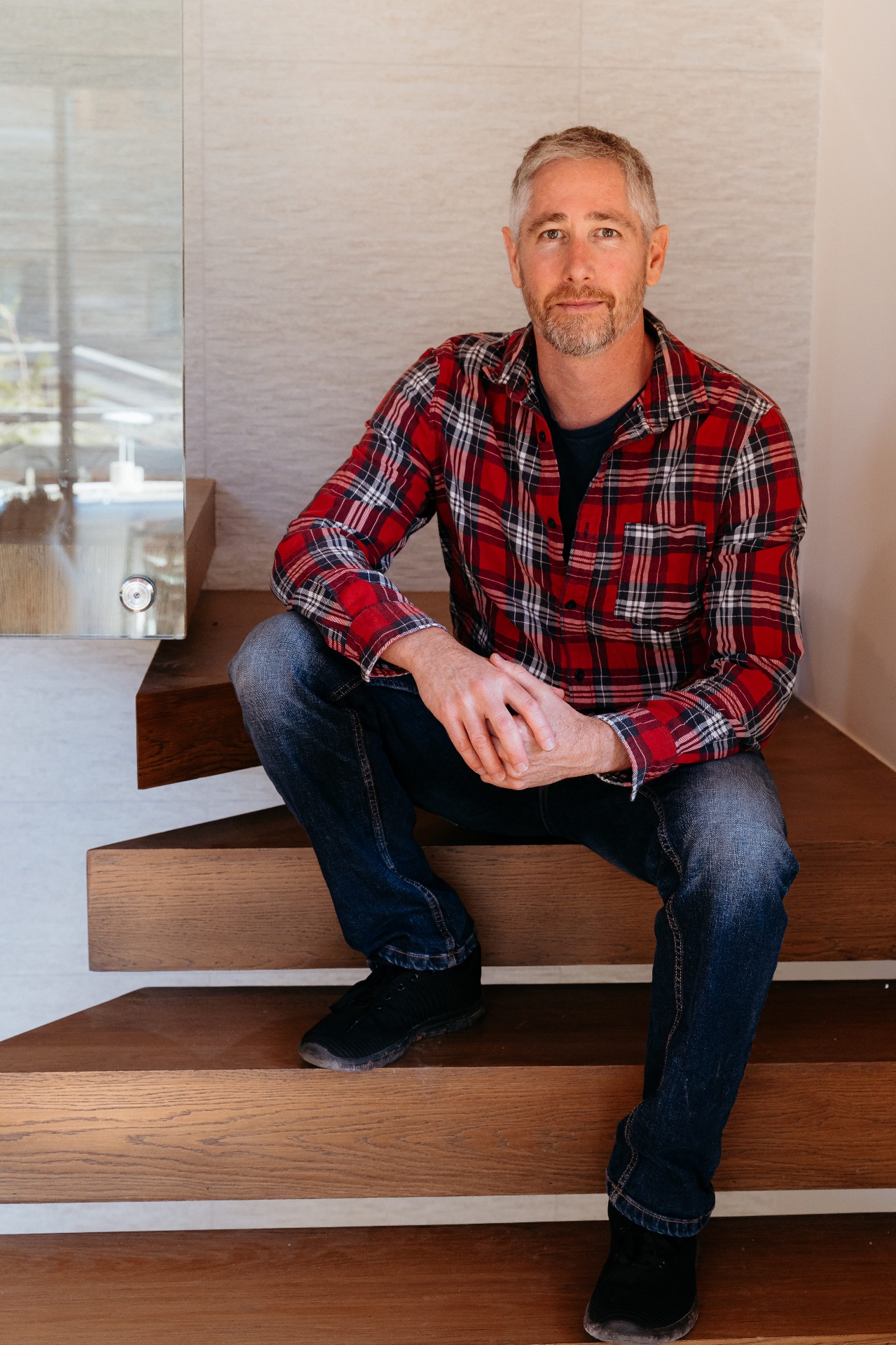
I work with senior leaders through the strategic leadership shift — the move from being the one who solves the problems to being the one who enables the business to solve them at its own level. I've been working with this kind of shift for about ten years now. Before that, I was inside it.
I spent fifteen years in the technology and telecoms industry. The first four were in engineering. I then moved into technical pre-sales and solution consulting, where I progressed quickly and operated as a senior individual contributor for most of that decade — working with Tier 1 mobile operators across the UK, US, Europe, and Asia, including eighteen months based in California. I was part of two startup acquisitions into larger global organisations across that period. The last five years were in formal leadership — first running an EMEA pre-sales team at Tektronix, then building and leading a global solution consulting team of seventeen across four continents at Arieso, through to its acquisition by Viavi Solutions.
It was in that final chapter that I learned what it actually is to be the person who’s good at the work, who’s been promoted because they’re good at the work, and who’s now meant to lead in a way that the work itself has been training them away from. I made all the mistakes the home page describes, in real time, in actual roles, with actual teams.
I left in 2015. Looking back, I left because I had begun to recognise that the version of me showing up at work wasn't quite the version I wanted to be, and I didn't have the language or the support to do anything about it from inside the role. The decade since has been about understanding what was actually going on for me then, and what's going on for the leaders I now work with who are in something similar.
What I trained in, and why
I have an MSc in Psychology and a postgraduate diploma in Behaviour Change and Wellbeing. I'm an ICF PCC accredited coach. I'm certified as a team coach. I'm also an internationally qualified mountain leader, because the way nature changes the quality of thinking is part of how I work. The qualifications are real and they shape the work, but they're not the point. The point is what they let me do with the people I work with.
What I trained in is the actual mechanics of change in adults. Not behaviour change as in habits and routines — though that's part of it — but the deeper kind of change that involves how a person sees themselves, what they trust, what they're willing to risk, and what they let go of. That's where the strategic leadership shift happens. Everything I do with clients comes back to it.
What it's like to work with me
I work slowly and I ask the kind of questions that don't always have an immediate answer. I'm not going to give you a framework, a model, a five-step plan, or a list of things to delegate next week. There are coaches who do that and some of them are very good. I'm not one of them. The work I do is more interested in what's actually going on underneath what you're presenting, and in what it would take to move at that deeper level rather than only working on the surface.
That doesn't mean the work is unstructured. I hold a clear process underneath the conversation, one that moves from understanding where you actually are, through to what needs to shift and how that shows up in practice, and I use it to keep the work anchored to what you're there for; both your own development and what your organisation needs from you. You won't experience it as a workbook. You'll experience it as me knowing where a conversation is heading, even when it doesn't feel linear from your side of it.
That said, I'm also a former senior leader in a commercial business. I understand performance pressure, board scrutiny, quarterly numbers, the cost of senior attrition, and the practical realities of running a function. The work I do isn't disconnected from the business you're in. It's just that it starts somewhere a bit further in than most leadership development does.
Where I work from
I live in Chamonix, in the French Alps. I work with clients online from here, in person when it makes sense, and in the mountains themselves when the work calls for it. The mountains aren't a backdrop — they're part of the practice. Time and space and the quality of thinking that nature makes possible are things I trust more than the meeting-room versions of the same conversation. Some of the most useful work I've done with clients has happened on the side of a hill rather than across a desk.